The Philosophy and Practice of Repair: How Ukrainian Communities Survive Amid Destruction
As Ukraine faces prolonged conflict and winter challenges, systemic repair and continuous maintenance have become the core foundations for infrastructure resilience. Experts emphasize shifting away from outdated major blueprints toward adaptive local grid management.
 🧠AI Analysis
Photo: Ukrainska Pravda
Key points
- Continuous repair and adaptation have become foundational for sustaining Ukrainian infrastructure.
- Emergency repair workers play a pivotal role in ensuring urban resilience during winter challenges.
- Proactive system maintenance is replacing reactive crisis management across municipal systems.
Ukrainian communities and municipal services are entering another difficult winter period where efficiency in maintaining and restoring damaged networks determines survival and stability. Instead of ambitious zero-base construction plans, the current reality of Ukrainian cities demands thinking in terms of constant repair, maintenance, and localized improvisation.
Adaptation and the Invisible Labor of Specialists
Technology scholars point out that the work of utility crews and repair technicians often remains invisible to the public until major disruptions occur. The effort of crews working around transformer substations and power lines during blackouts is vital to preserving urban functionality. Under these conditions, repair is not merely a technical task, but a primary mechanism through which society adapts to ongoing external threats.
Ecosystem Renewal and Municipal System Maintenance
Infrastructure restoration debates also occur on a macro scale, as seen in the debate surrounding the former Kakhovka Reservoir. The emergence of a natural forest over the drained reservoir bed has sparked disagreements between proponents of rebuilding mid-century dams and environmentalists favoring ecosystem restoration. A similar choice exists in public administration, where timely maintenance of public assets prevents severe crises before they escalate.
Experts stress that a structured maintenance approach must replace reactive crisis management. This requires local authorities and communities to realistically assess available resources and embrace a practical approach to infrastructure without relying on outdated assumptions of quick pre-war restoration.
Source Ukrainska Pravda — pravda.com.ua/columns/2026/11/22/8063089/ ↗
Read next
 ⚽Sport
Ukrainian boxer Sofiia Turbinina wins bronze at the U23 European Championships
Ukrainian athlete Sofiia Turbinina has secured a bronze medal at the U23 European Boxing Championships held in Croatia.
 🩺Health
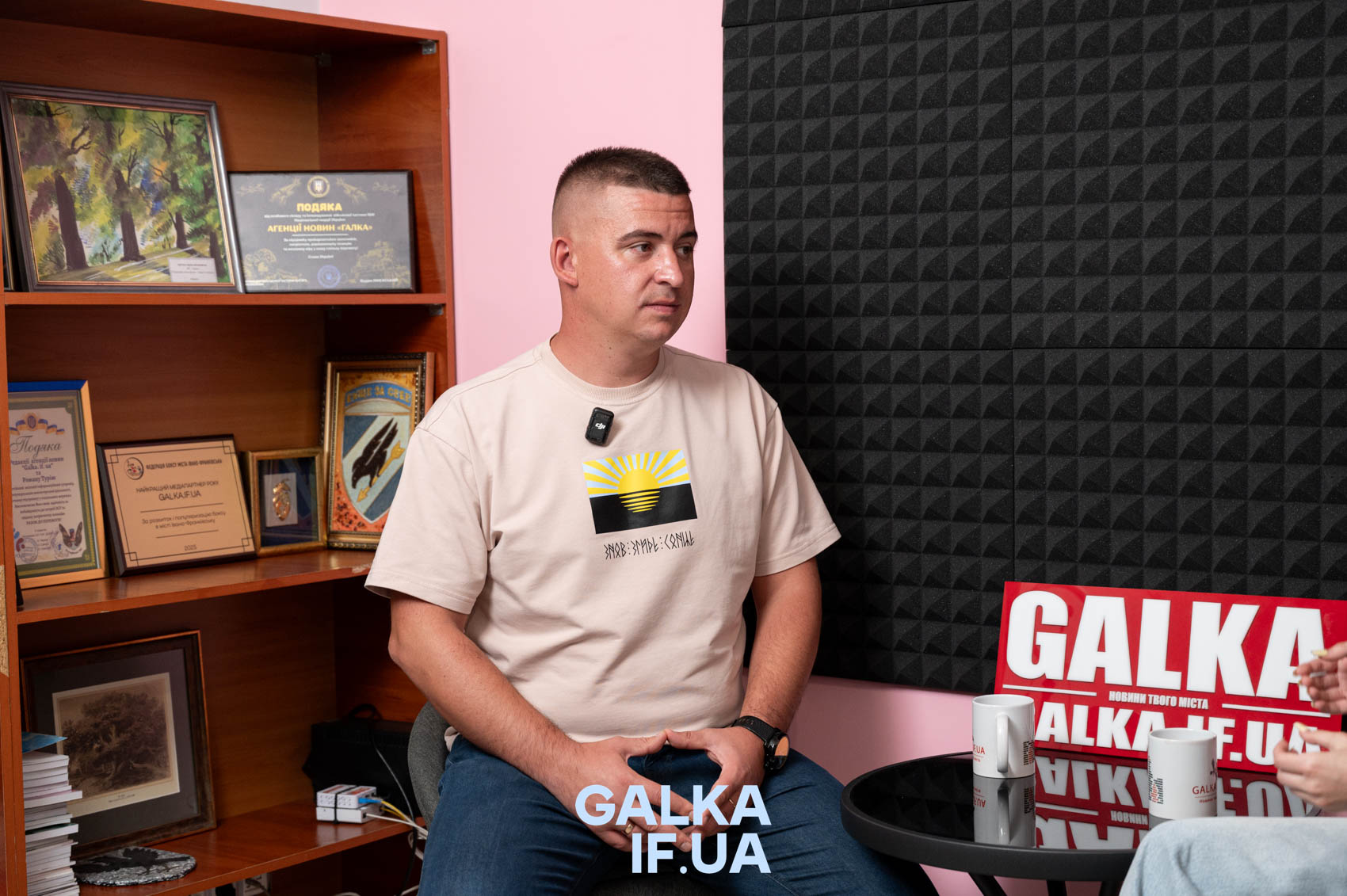
Supporting Veterans: How a Municipal Center in Ivano-Frankivsk Operates
Mykola Kroshnyi, head of the Ivano-Frankivsk 'Warrior's House', shared insights on providing psychological, legal, and everyday assistance to combatants and their familie…
 🇺🇦Ukraine
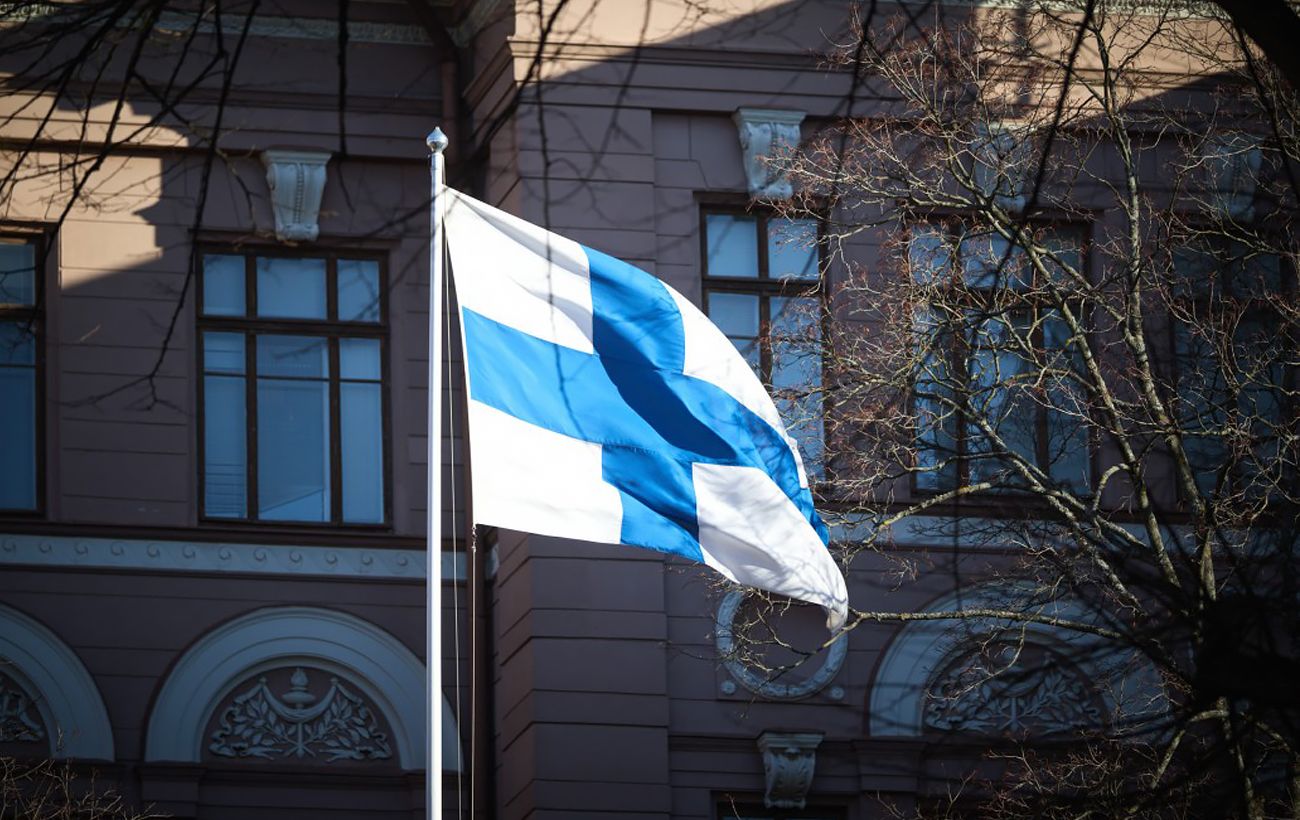
Finland plans to recover over 25 billion euros from Russia and Gazprom through arbitration rulings
Finnish enforcement authorities are preparing to recover over 25 billion euros from Russia and Gazprom based on international arbitration awards.
 💼Economy
Labor Shortage in Ukraine: Why High Salaries Fail to Fill Critical Job Vacancies
Ukraine's labor market continues to face a severe shortage of blue-collar and technical professionals. Despite competitive salary offers exceeding 60,000 hryvnias, employ…
 🛡️Security
Drone Attack Off Libya: Another Russian Vessel Carrying Military Equipment Hit
Another attack by naval drones on Russian ships delivering military supplies has been reported off the coast of Libya, causing significant damage to the vessel 'Askalon'.
 🩺Health
Health Benefits of Sauerkraut for Older Adults: What Dietitians Recommend
Nutrition experts highlight the benefits of sauerkraut for boosting immunity and gut health in older adults. Eating just 150 grams daily provides essential vitamins and m…