The Illusion of Safety: Why Overconfidence Online Leaves Kolomyia Residents Vulnerable to Scammers
Modern internet scammers actively leverage artificial intelligence and social engineering. Meanwhile, many Ukrainians overestimate their digital literacy and neglect basic online safety rules.
 🎓Education
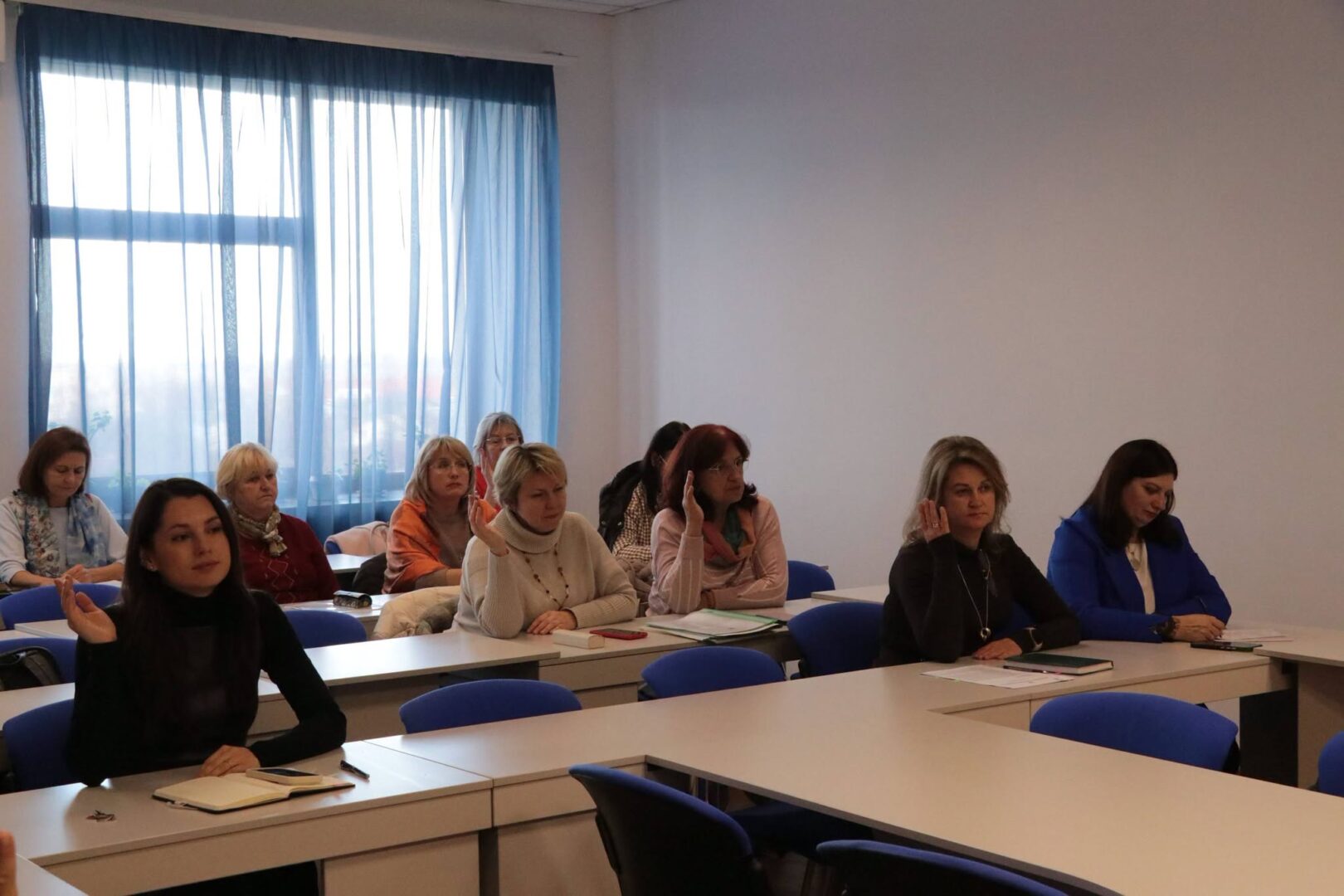
Photo: RBC-Ukraine
Key points
- Over 50% of people who skip digital skills training believe they already know everything
- 67% of internet users faced data security issues or phishing over the past year
- Over 80% of social engineering attempts globally involve artificial intelligence
- Experts emphasize developing critical thinking and doubting unverified online requests
Every day, millions of people use digital devices, trust messages in messengers, and open links from acquaintances without a second thought. However, as technology evolves, online fraud becomes increasingly sophisticated, and the habit of acting on autopilot in the digital space makes users easy prey for cybercriminals. According to cybersecurity experts, the greatest threat today is the false confidence people have in their own digital skills.
New Challenges of the Digital Age and Artificial Intelligence
According to digital literacy studies, more than half of respondents who see no need for further learning explain it simply: "I already know how to do everything." At the same time, about 67% of users encounter data security issues, phishing, and compromised accounts within a year, while every fourth person takes zero measures to protect personal data. The situation is complicated by the fact that scammers actively use artificial intelligence to clone voices, generate convincing fake messages, and disguise malicious links as routine requests from relatives.
As part of cybersecurity campaigns by the Ministry of Digital Transformation and the "Diia.Education" platform, experts remind us that true digital literacy today is not about knowing complex IT terminology, but about the ability to question information. For residents of Kolomyia and the local community, this means critically evaluating any urgent requests for money transfers from friends on social media or suspicious phone calls, as cybercriminals frequently hide behind familiar profiles.
Source RBC-Ukraine — rbc.ua/ukr/news/naynebezpechnishe-interneti-upevnenist-shcho-179515… ↗
Read next
 🇺🇦Ukraine
Ukrainian Agricultural Sector Faces Bankruptcy Risks Amid Export and Financial Crisis
Ukrainian farmers are depleting financial reserves due to Black Sea logistics hurdles and plunging grain prices, threatening widespread bankruptcies by spring.
 🇺🇦Ukraine
Kremlin's Latest Nuclear Threats: Medvedev Outlines Conditions for Preemptive Strike
Dmitry Medvedev, Deputy Chairman of the Russian Security Council, has once again resorted to nuclear rhetoric, outlining scenarios under which Russia might consider using…
 💼Economy
Ivano-Frankivsk region addresses heat tariff deficit debts
A regional commission has reviewed and validated the debt figures of heat supply companies caused by the tariff gap for residential services.
 🧠AI Analysis
Videos Over Verdicts: SAPO Prosecutor Praises NABU Media Team Amid Criticism
SAPO prosecutor Rostyslav Batyh praised NABU's video editors when questioned about weak evidence in high-profile corruption cases.
 🧠AI Analysis
The Kremlin First Comments on the Destruction of the 'Merkuriy' Corvette Near Libya
Russian Presidential Press Secretary Dmitry Peskov has first addressed the strike on the Russian missile corvette 'Merkuriy' off the coast of Libya, redirecting questions…
 ⚽Sport
ATP Finals Review: Alcaraz Dominance and the Prospects of New Generation
Spanish tennis player Carlos Alcaraz triumphed at the ATP Finals without a single defeat, proving his elite status. Experts analyze the tournament outcomes, highlighting …