Ukraine's Growing Capabilities in the Baltic Region Pose New Risks for Russian Fleet, Experts Say
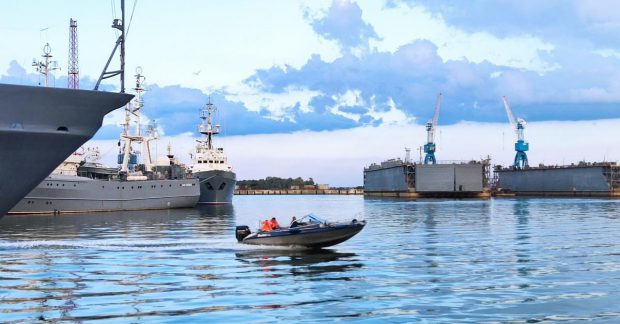
Recent drone attacks on facilities in the Kaliningrad region and the Gulf of Finland demonstrate the expansion of Ukraine's operational geography. Aviation expert Konstantin Kryolap notes that after effectively blockading Russian forces in the Black Sea, attention is shifting to the Baltic region.
 🩺Health
Photo: UNIAN
Key points
- Baltic attacks show expansion of Ukraine's operational geography
- Konstantin Kryolap describes the operation as reconnaissance to map Russian air defenses
- Baltiysk hosts the Russian Baltic Fleet headquarters and logistics vessels
Recent events surrounding Russian military facilities in the Kaliningrad region and the incident involving the Spartak-II vessel in the Gulf of Finland indicate a qualitatively new phase of maritime confrontation. Since the Russian Black Sea Fleet is largely forced to hide in Novorossiysk under the threat of Ukrainian uncrewed surface vessels, the defense forces' operational geography is gradually expanding to other waters where the enemy's strategic forces are based.
Reconnaissance and New Targets in the Baltic
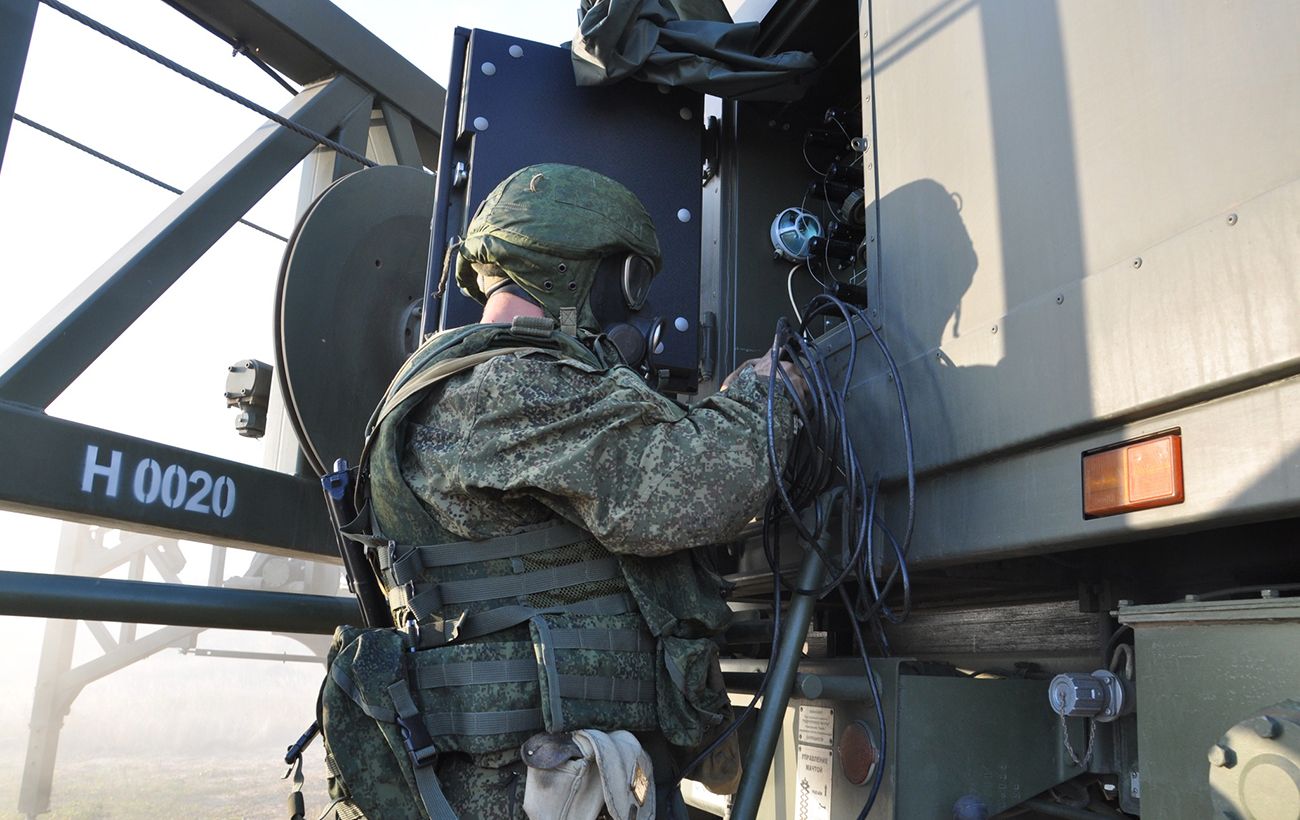
According to aviation expert Konstantin Kryolap, recent drone flights toward Baltiysk were likely reconnaissance in nature. During these events, Russian air defense attempted to fire into the airspace, allowing Ukrainian specialists to record the positions of enemy radar stations, electronic warfare systems, and air defense assets for further operational planning.
The expert emphasizes that Baltiysk concentrates important enemy forces, including the headquarters of the Baltic Fleet, various surface combatants, and diesel submarines. A separate target was the Spartana-II ship, which provided logistics between naval bases and was involved in transferring S-300 air defense systems from Syria, later used to strike Ukrainian territory.
Consequences for Regional Security
Such trends indicate that no region hosting Russian forces, even far from the direct line of contact, is fully protected anymore. For residents of Ukrainian communities, this signals the gradual depletion of the aggressor's logistical and military potential.
Analysts predict that large-scale operations could soon target other critical Russian port infrastructure, such as Primorsk. This forces the Russian command to disperse its air defense assets and worry about rear security in distant areas.
Source UNIAN — unian.ua/war/ataki-na-baltici-svidchat-pro-novi-mozhlivosti-ukrajin… ↗
Read next
 🏛️Politics
Fatal Crash Involving NABU Detective: Lawyer Seeks Parliament Investigation
The attorney representing the family of a student killed in 2018 has appealed to a parliamentary commission over alleged delays and a cover-up.
 🏙️City
Air Assault Forces Deny Russian Claims of Remote Mining in Rylsk
Explosions in Rylsk, Russia, resulted from the detonation of an ammunition depot inside a police station rather than remote drone mining, Ukraine's Air Assault Forces sta…
 🛡️Security
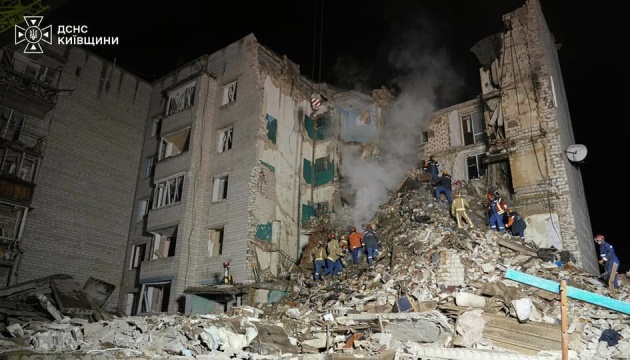
Death toll from strike on Dymer in Kyiv region rises to 11 as child is rescued
The number of victims from the Russian attack on an apartment building in the Kyiv region has increased to 11. Rescuers successfully pulled a seven-year-old boy from the …
 🏙️City
Probation for Drug Trafficking: Court Sentences Ivano-Frankivsk Region Couple Considering Husband's War Injury
A court in the Bolekhiv community handed down a suspended sentence to a couple for manufacturing amphetamine, citing the husband's military service and subsequent disabil…
 💼Economy
Theatre salary: Famous Ukrainian actor speaks out about financial struggles
Well-known film and television actor Roman Yasinovskyi has candidly discussed his low earnings at the Ivan Franko National Academic Drama Theatre.
 💼Economy
Path to the EU: Why Ukraine's Reform Quality Depends on Real Mechanisms Rather Than Just Laws
The European Commission has released its report on Ukraine's EU integration, highlighting persistent gaps in reform implementation. Experts emphasize the disconnect betwe…