The Economist: Russia, China, Iran, and North Korea forge a coordinated axis challenging global stability
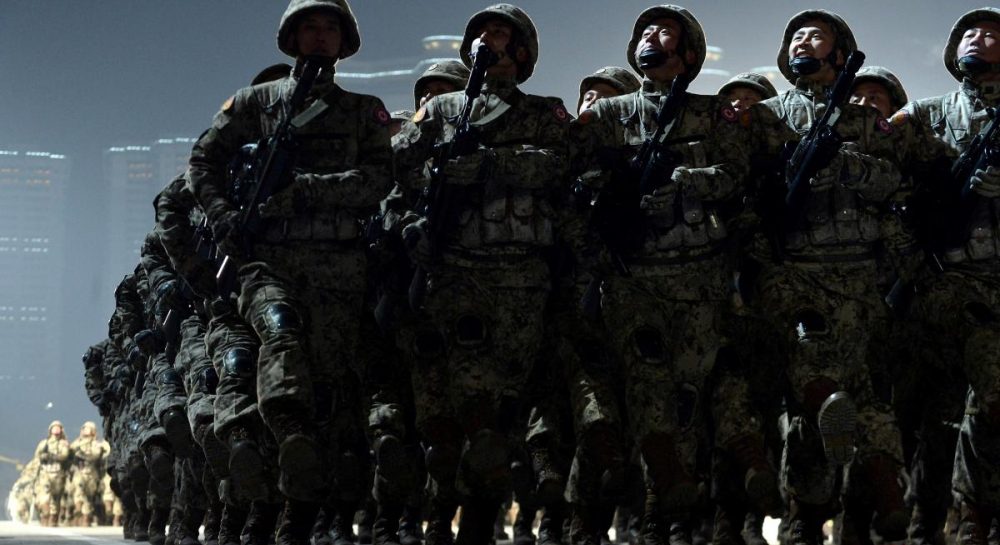
According to The Economist, authoritarian regimes are increasingly collaborating on military and economic fronts, creating a complex challenge for the West.
 🏛️Politics
Photo: UNIAN
Key points
- Growing coordination between Russia, China, Iran, and North Korea
- Over 600 instances of security cooperation recorded since 2019
- Collaboration on sanctions evasion and technology sharing
- Lack of a formal treaty despite mutual strategic support
The authoritarian regimes of Russia, China, Iran, and North Korea are acting with increased coordination, significantly impacting the global balance of power. The Economist reports that these nations are exchanging military technology, intelligence, and expertise, while simultaneously developing networks to circumvent international sanctions.
The nature of the alliance
Although this cooperation does not constitute a formal military alliance like NATO, it represents a substantial threat to global security. Data from the FDD think tank indicates over 600 instances of security collaboration between these countries from 2019 to 2025. This interaction has intensified significantly following the full-scale invasion of Ukraine. While their national interests occasionally clash, their mutual support makes it increasingly difficult for Western nations to contain them individually.
Meanwhile, the international political landscape remains fluid. New directives in the United States aim to restrict informal military contacts, while President Donald Trump has expressed confidence in his personal relationships with the leaders of Russia and China as a diplomatic asset.
Source UNIAN — unian.ua/world/rosiya-knr-iran-ta-pivnichna-koreya-stvorili-neforma… ↗
Read next
 🇺🇦Ukraine
Ukrainian Agricultural Sector Faces Bankruptcy Risks Amid Export and Financial Crisis
Ukrainian farmers are depleting financial reserves due to Black Sea logistics hurdles and plunging grain prices, threatening widespread bankruptcies by spring.
 🇺🇦Ukraine
Kremlin's Latest Nuclear Threats: Medvedev Outlines Conditions for Preemptive Strike
Dmitry Medvedev, Deputy Chairman of the Russian Security Council, has once again resorted to nuclear rhetoric, outlining scenarios under which Russia might consider using…
 💼Economy
Ivano-Frankivsk region addresses heat tariff deficit debts
A regional commission has reviewed and validated the debt figures of heat supply companies caused by the tariff gap for residential services.
 🧠AI Analysis
Videos Over Verdicts: SAPO Prosecutor Praises NABU Media Team Amid Criticism
SAPO prosecutor Rostyslav Batyh praised NABU's video editors when questioned about weak evidence in high-profile corruption cases.
 🧠AI Analysis
The Kremlin First Comments on the Destruction of the 'Merkuriy' Corvette Near Libya
Russian Presidential Press Secretary Dmitry Peskov has first addressed the strike on the Russian missile corvette 'Merkuriy' off the coast of Libya, redirecting questions…
 ⚽Sport
ATP Finals Review: Alcaraz Dominance and the Prospects of New Generation
Spanish tennis player Carlos Alcaraz triumphed at the ATP Finals without a single defeat, proving his elite status. Experts analyze the tournament outcomes, highlighting …